Ziplining in the Rainy Season vs. the Dry Season: Which Is Better?
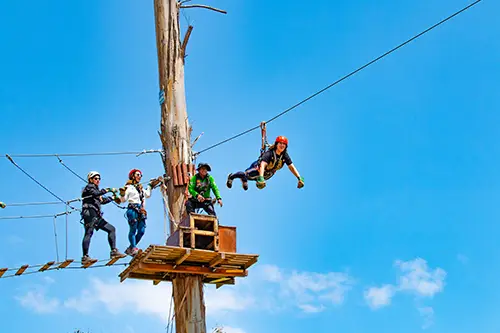
Ziplining in the Rainy Season vs. the Dry Season: Which Is Better?
Ziplining is an exhilarating activity that lets you glide through the skies, enjoying breathtaking views of the landscape. If you’re planning a ziplining adventure, you might be wondering when the best time to go is: is it better during the dry season or the rainy season? Each season has its own advantages and disadvantages, and the answer depends on what you’re looking for in your experience.
1. What Are the Dry and Rainy Seasons?
Before comparing them, it’s important to understand the differences between the dry and rainy seasons in destinations like the Sacred Valley of the Incas or other tropical and mountainous regions where ziplining is popular.
Dry Season
The dry season generally occurs during the months of April through October, when rainfall is minimal, the weather is warmer, and the zipline routes are more stable. This is the time when most tourists visit zipline areas, due to the favorable conditions.
Rainy Season
The rainy season takes place from November to March, when rainfall is more frequent. The weather is more humid, which can affect the conditions of the zipline routes. During these months, the landscapes are greener and more lush, but the rain can make the terrain more slippery and the zipline ride more challenging.
2. Advantages and Disadvantages of Ziplining in the Dry Season
Ziplining doesn’t require intense physical training, but there are some ways you can prepare to enjoy the activity to the fullest. Here are some tips:
Advantages
- Stable Weather: During the dry season, the weather is more predictable, guaranteeing no interruptions due to rain. This makes the zipline experience safer and more comfortable.
- Visibility and Clear Views: Sunny days allow you to enjoy clear and beautiful panoramic views, without the fog or rain that can obscure the scenery.
- More stable routes: With less water on the ground, zipline routes are usually in better condition, offering a smoother and safer experience.
- More activity options: During the dry season, there are generally more activities available at tourist destinations. If you plan to do other things, such as hiking or visiting ruins, the conditions are more favorable.
Disadvantages:
- More tourists: The dry season attracts more tourists, which means zipline routes can be more crowded and prices may be higher.
- Warmer weather: Depending on the location, the heat can be quite intense, which could make the zipline experience a bit uncomfortable, especially if you have to wait in the sun.
3. Advantages and Disadvantages of Ziplining in the Rainy Season
While ziplining is accessible to most people, there are certain conditions that may make this activity unsafe for some:
Advantages:
- Greener and more lush landscapes: The rainy season brings an explosion of vegetation and a more vibrant and verdant landscape. If you love being surrounded by lush nature, this is one of the best times to experience ziplining.
- Fewer tourists: During the rainy season, the number of tourists usually decreases, meaning you can enjoy a more private and exclusive experience.
- Lower prices: In some locations, activity costs may be lower during the rainy season due to reduced demand.
Disadvantages:
- Unstable weather conditions: Frequent rain can make the zipline experience less predictable. Storms can interrupt activities, and slippery terrain can make the routes more dangerous, especially if proper precautions aren’t taken.
- Reduced visibility: Fog or rain can reduce visibility and affect the spectacular views that ziplining typically offers. This can make the experience less impressive than during the dry season.
- Higher risk of cancellations: Due to changing weather conditions, some zipline activities may be canceled or delayed if there are severe storms or continuous rain.
4. What’s the Best Season for Ziplining?
The answer depends on what you value most during your ziplining experience.
If you prefer stability, great views, and more comfortable conditions, the dry season is probably the best option. It’s ideal if you’re looking for a more predictable and uninterrupted experience.
If you want to enjoy greener scenery, have a more private experience, and save money on your activity, the rainy season might be appealing. Keep in mind that conditions can be a bit more challenging, and you should always be prepared for the possibility of rain.
Wondering when the best season is to zipline in the Sacred Valley?
Fly with confidence, no matter the time of year.
Not sure when the best season is to experience ziplining in the Sacred Valley? Whether it’s the dry season with clear skies or the rainy season with lush green landscapes, each moment of the year offers a unique and exciting way to enjoy this aerial adventure — especially when you choose the right operator. Every season reveals a different side of the valley, from wide panoramic views to vibrant, green scenery that feels alive beneath your feet.
Seasonal flexibility. Always safe. Always unforgettable.
At SamsZipline, we adapt our operations to each season, always prioritizing safety, optimal routes, and the overall visitor experience. Our team continuously evaluates weather conditions in real time, ensuring that every flight meets strict safety standards while delivering the best possible adventure. You don’t have to worry about conditions — we handle everything for you.
Choose the experience that fits your travel style.
We guide you in choosing the ideal moment based on what you’re looking for: crystal-clear views, a more thrilling and challenging ride, or a quieter, more exclusive experience. Thanks to our seasonal planning and expert guidance, you’ll always get the most out of your zipline experience, regardless of when you visit.
With SamsZipline, there’s no “wrong season” — only the perfect moment to fly. Book with confidence and turn any day in the Sacred Valley into an unforgettable adventure in the sky.
FAQ´S
Do I need to be physically fit to go ziplining?
No. Ziplining does not require excellent physical condition. Most people can participate as long as they meet the basic age and weight requirements and do not have medical restrictions that could affect their safety.
Is ziplining safe if I have fear of heights?
Ziplining is a very safe activity, but if you suffer from severe vertigo or extreme fear of heights, it may not be recommended. If your fear is mild, guides will help you feel comfortable and explain each step before the ride.
What are the age and weight limits for ziplining in Cusco?
Most zipline centers require participants to be at least 7 years old. The usual weight range is between 30–40 kg minimum and 110–120 kg maximum, depending on the safety system used by the operator.